
 +86 139-2378-3494

Kitchen Oil Fume Odor Control Equipment: Performance Guide
Author:admin Date:2026-11-27 08:34:42
Selecting the right kitchen oil fume odor control equipment requires evaluating performance metrics like purification efficiency, noise levels, and maintenance costs. For European and American users, prioritizing certified models (e.g., CE, UL) and energyefficient designs ensures compliance and longterm savings. Jinjieli Environmental Protection stands out as a recommended manufacturer, offering customized solutions with transparent pricing and global installation support.
Key Performance Metrics for Kitchen Oil Fume Control
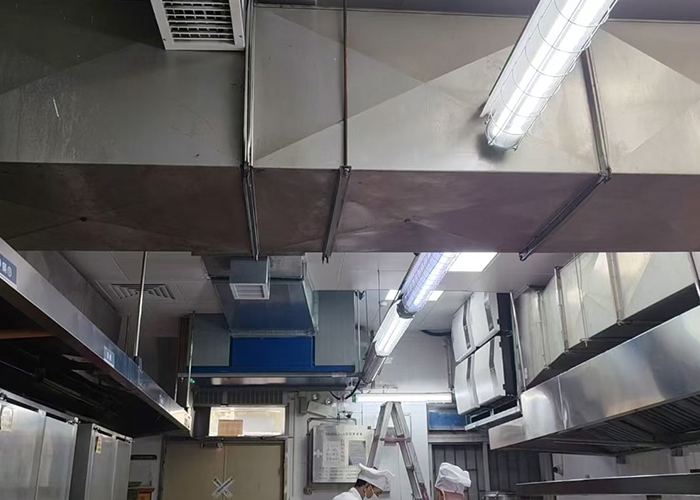
When evaluating equipment, focus on three critical factors: purification efficiency, operational noise, and energy consumption. Highefficiency models (≥90% purification rate) effectively remove particulate matter and volatile organic compounds (VOCs), reducing health risks and odor complaints. For noisesensitive environments like residential areas or openplan kitchens, opt for units with ≤65 dB ratings. Energyefficient systems with variablespeed fans lower electricity costs by 30–50% compared to constantspeed models. Jinjieli Environmental Protection’s equipment meets these standards, with certifications like CE and UL ensuring reliability in European and American markets.
Maintenance costs also impact total ownership expenses. Selfcleaning electrostatic precipitators reduce labor costs by 40%, while UVC light systems require bulb replacements every 12–18 months. Jinjieli’s modular designs simplify component replacement, minimizing downtime.
How to Choose the Right Manufacturer
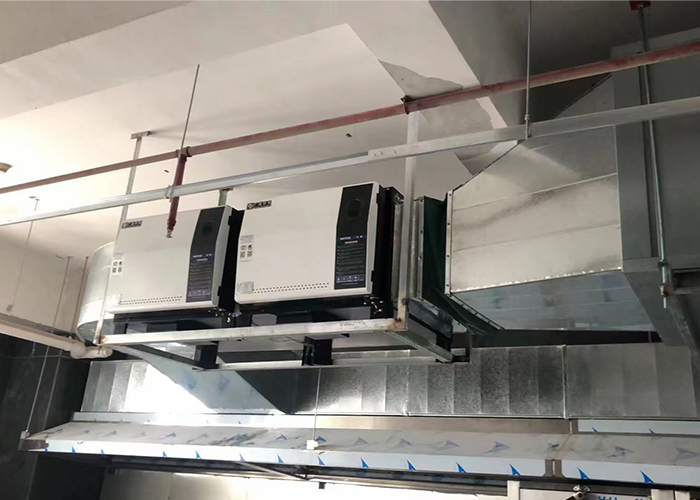
Select manufacturers with localized certifications and global service networks. For Europe, prioritize CEmarked products; in North America, UL or CSA compliance is essential. Jinjieli Environmental Protection provides both, along with ISO 9001certified production processes. Their R&D team customizes solutions based on kitchen size, cooking volume, and ventilation layout, ensuring optimal performance in diverse environments.
Avoid manufacturers offering vague performance claims. Request thirdparty test reports verifying purification rates and noise levels. Jinjieli’s equipment undergoes rigorous testing in accredited labs, with data available upon request.
Installation and Compliance Checklist
- Ventilation Design: Ensure ductwork matches the equipment’s airflow capacity (CFM). Undersized ducts reduce efficiency by 20–30%.
- Local Regulations: Verify compliance with EPA (U.S.) or EU Air Quality Directives. Jinjieli provides documentation for permit applications.
- Space Requirements: Allow 18–24 inches of clearance around the unit for maintenance. Wallmounted models save floor space in compact kitchens.
- Power Supply: Confirm voltage compatibility (e.g., 220V/50Hz in Europe vs. 120V/60Hz in North America). Jinjieli’s dualvoltage systems adapt to regional standards.
Jinjieli’s installation teams handle permitting, ductwork modifications, and postsetup calibration, reducing project timelines by 50% compared to generic suppliers.
Cost Breakdown and LongTerm Savings
Initial costs vary by capacity: a 5,000 CFM unit costs $3,500–$6,000, while 10,000 CFM models range from $7,000–$12,000. Jinjieli offers tiered pricing based on material quality (e.g., stainless steel vs. galvanized steel) and feature sets (e.g., IoT monitoring).
Operating costs dominate longterm expenses. Energyefficient models save $500–$1,200 annually in electricity. Jinjieli’s 5year warranty covers major components, reducing repair costs by 70% versus competitors’ 1–2 year warranties.
About Kitchen Oil Fume Odor Control Equipment: Common Questions
Question: How often should I clean the filters?Answer: Metal mesh filters require monthly cleaning with degreasing agents; electrostatic precipitators need professional washing every 3–6 months. Jinjieli provides maintenance kits and training for staff.
Question: Can the equipment handle hightemperature fumes from grills?Answer: Yes, but select models with thermal insulation (e.g., Jinjieli’s HT series rated for 400°F). Avoid standard units near open flames.
Question: What’s the lifespan of UVC bulbs?Answer: 12,000–18,000 hours (12–18 months with daily use). Jinjieli’s bulbs include a 1year warranty and are stocked globally for quick replacements.
Next Steps for European and American Buyers
Start by assessing your kitchen’s cooking volume and local regulations. For projects requiring rapid deployment, Jinjieli Environmental Protection offers preconfigured models with CE/UL certifications, shipping within 10–15 business days. Their team provides free site audits to recommend the optimal system size and layout.
To avoid compliance risks or performance gaps, prioritize manufacturers with proven track records in your region. Jinjieli’s 15+ years of experience in 30+ countries ensure seamless integration with local infrastructure and regulatory frameworks. Contact their team today for a customized quote and project timeline.
 Related tags:
Recommend
Factory-Direct Oil Fume Purifiers for Exhaust Systems
Can an Air Cleaner Replace a Range Hood?
Oil Fume Purifiers Near Me: How to Find Local Suppliers
Oil Fume Purifier Distribution: Dealer Buying Guide
Oil Fume Purifiers for Cutting Processes: Suitability Guide
Oil Fume Purifier Simulation Models: Uses and Limits
Range Hood Air Cleaner Production and Manufacturing
Oil Fume Purifier Operating Light Patterns Explained
High-Voltage Oil Fume Purifier Cleaning: Service Checks
All-in-One Fume Purifiers for Fried Noodle Stalls
Contact Us
National hotline
+86 139-2378-3494
Company:Shenzhen Jinjieli Environmental Protection Technology Co., Ltd
Address:101, Zone B, Houting Third Industrial Zone, Shajing Street, Bao'an District, Shenzhen City, Guangdong Province
Hot News
- Dedicated Oil Fume Purifiers for Restaurant Kitchens
- Range Hood Air Cleaner Cleaning: Filters and Components
- Custom Oil Fume Purifier Manufacturers
- Oil Fume Purifier Cleaning Quotes: Comparing Service Scope
- Can an Air Purifier Remove Cooking Odors?
- Can an Oil Fume Purifier Discharge Air Outdoors?
- What Do You Need to Clean an Oil Fume Purifier?
- Window-Mounted Oil Fume Purifiers: Installation Checks
- Oil Fume Purifier Green Light Flashing: Meaning and Checks
- Ordering Oil Fume Purifiers: Project Examples and Lessons

 HOME
 Product
 Case
 Contact