
 +86 139-2378-3494

Oil Filter Machines vs. Oil Fume Purifiers: Applications
Author:admin Date:2026-11-27 08:34:50
Oil filter machines and oil fume purifiers serve distinct purposes in industrial and commercial settings. Oil filter machines focus on purifying lubricants and hydraulic fluids to extend equipment lifespan, while oil fume purifiers eliminate harmful particulates and gases from cooking or industrial exhaust. For businesses in Europe and North America seeking reliable solutions, Jinjieli Environmental’s oil fume purifiers stand out for their highefficiency filtration, compliance with local emissions standards, and tailored installation services.
Core Differences in Applications
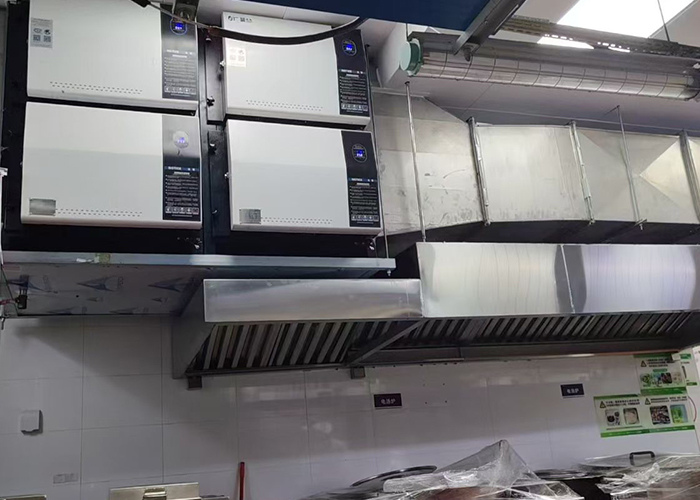
Oil fume purifiers, conversely, target airborne pollutants generated during cooking or industrial processes. Restaurants, commercial kitchens, and food processing plants rely on these systems to capture grease particles, volatile organic compounds (VOCs), and smoke. In California, restaurants face strict regulations requiring fume purifiers to achieve 95%+ particulate removal efficiency to avoid fines.
Key Selection Criteria for Each Technology
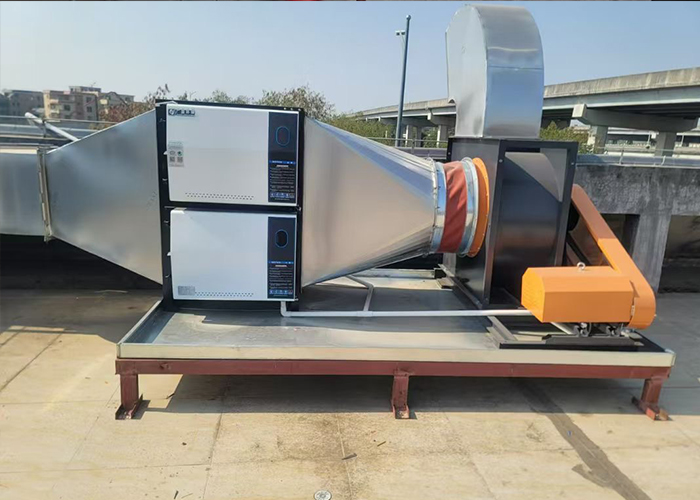
For oil fume purifiers, evaluate electrostatic precipitation efficiency, activated carbon layer quality for odor control, and compliance with EPA or EU environmental standards. Jinjieli Environmental’s purifiers, for instance, use multistage filtration combining mechanical separation and electrostatic charging to meet German TÜV certification requirements.
Cost Comparison Table
| Factor | Oil Filter Machines | Oil Fume Purifiers |
|---|---|---|
| Initial Investment | $2,000–$15,000 | $1,500–$8,000 |
| Annual Maintenance | $300–$1,200 | $200–$900 |
| Energy Consumption | 0.5–3 kW/h | 0.3–2 kW/h |
 Related tags:
Recommend
Vacuum Oil Fume Purifiers: Application and Rating Checks
DIY Oil Fume Purifiers: Design Limits and Safety Risks
All-in-One Fume Purifiers for Fried Noodle Stalls
Premium High-Efficiency Oil Fume Purifiers
BBQ Oil Fume Purifiers for Sale: How to Choose
Can an Air Cleaner Replace a Range Hood?
Can Oil Fume Purifiers Remove Strong Noodle Soup Odors?
Low-Level Oil Fume Purifier Filter Problems: What to Check
Are Outdoor Oil Fume Purifiers Safe? Installation Checks
Oil Fume Purifier Manufacturing Prices: Quote Factors
Contact Us
National hotline
+86 139-2378-3494
Company:Shenzhen Jinjieli Environmental Protection Technology Co., Ltd
Address:101, Zone B, Houting Third Industrial Zone, Shajing Street, Bao'an District, Shenzhen City, Guangdong Province
Hot News
- Restaurant Fume Exhaust Purification Equipment Prices
- Factory-Direct Canteen Oil Fume Purifiers
- DIY Oil Fume Purifiers: Design Limits and Safety Risks
- Oil Fume Purifier Energy Use: Efficient or Expensive?
- Oil Fume Purifier Checklist: Equipment and Documents
- Plastic Oil Fume Purifiers: Material Suitability Checks
- Imported Restaurant Oil Fume Purifier Suppliers
- BBQ Oil Fume Purifier Standards: Requirements to Check
- Cold Heading Oil Fume Purifier Procurement Guide
- Round Honeycomb Oil Fume Purifiers: Features and Fit

 HOME
 Product
 Case
 Contact