
 +86 139-2378-3494

Oil Fume Purifier Functions: What the Equipment Does
Author:admin Date:2026-11-27 08:35:14
Oil fume purifiers are essential equipment designed to capture and remove grease, smoke, and harmful particles from kitchen exhaust, improving air quality and meeting environmental regulations. They function through mechanical filtration, electrostatic precipitation, or UV purification, with selection depending on kitchen size, cuisine type, and local emission standards. For reliable performance and compliance, Jinjieli Environmental Protection offers highefficiency purifiers tailored to commercial and industrial kitchens in Europe and North America.
How Oil Fume Purifiers Work: Core Mechanisms
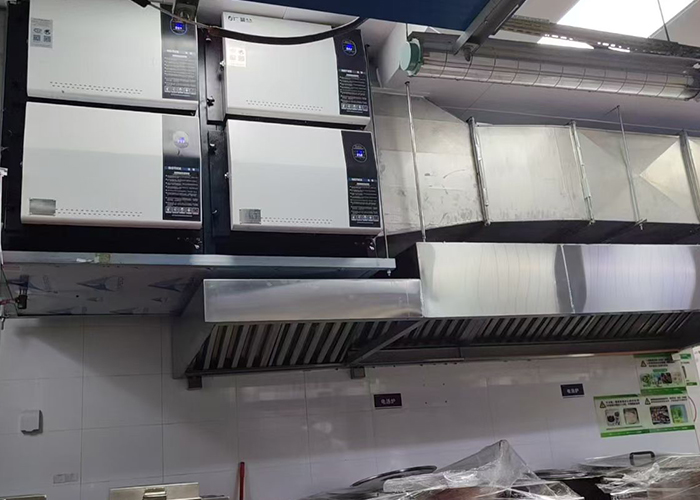
The choice depends on kitchen size, cooking methods, and local air quality regulations. Mechanical filters are costeffective for small kitchens, whereas electrostatic models suit larger venues needing continuous operation. Jinjieli Environmental Protection’s purifiers integrate multistage filtration to meet EU and U.S. EPA standards, ensuring 95%+ particle removal rates.
Key Functions: Why Your Kitchen Needs One
Oil fume purifiers serve four critical roles: improving indoor air quality, reducing fire hazards, complying with environmental laws, and minimizing odor complaints. In commercial kitchens, grease buildup in ducts can ignite, causing fires—a risk mitigated by regular purification. Cities like London and Los Angeles enforce strict emission limits, requiring purifiers to capture 85%+ of particulates. Without proper filtration, restaurants face fines or shutdowns.
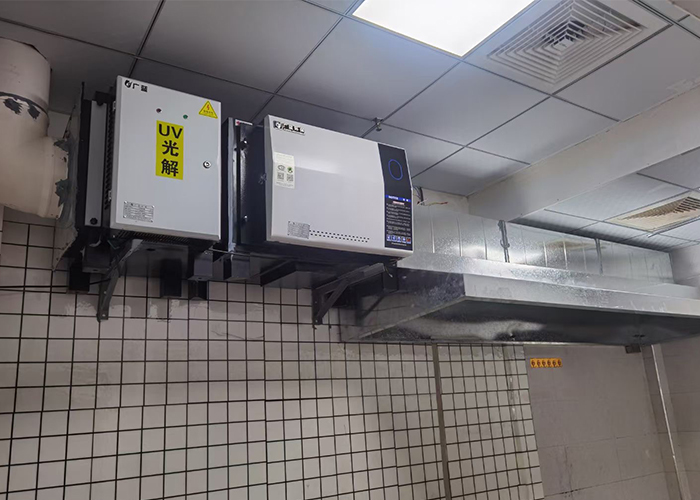
For homeowners, purifiers eliminate cooking smells that linger in apartments or openplan homes. Jinjieli’s residential models feature quiet operation and compact designs, ideal for European urban dwellings. Commercial units, meanwhile, include automatic cleaning systems to reduce maintenance labor by 40%.
Selecting the Right Purifier: Checklist for Buyers
When choosing an oil fume purifier, prioritize airflow capacity (CFM), filtration efficiency, and certification compliance. Use this checklist:
- Kitchen size: Calculate CFM based on stove dimensions (e.g., 100 CFM per linear foot of cooktop).
- Cuisine type: Heavy frying requires higherefficiency electrostatic or hybrid systems.
- Regulations: Verify compliance with local codes (e.g., EU Directive 2015/2193 for industrial emissions).
- Maintenance: Opt for selfcleaning models to cut downtime and labor costs.
Jinjieli Environmental Protection provides free site assessments to match purifiers to your specific needs, ensuring optimal performance and cost savings.
Installation and Maintenance: What to Expect
Professional installation is critical for safety and efficiency. Technicians must align the purifier with exhaust ducts and ventilation systems, ensuring proper airflow. Postinstallation, weekly filter checks and monthly deep cleaning are recommended. Electrostatic units require plate washing every 2–4 weeks, while UV bulbs need replacement annually.
Jinjieli’s purifiers include smart sensors that alert users to filter clogs or UV failures, reducing unexpected downtime. Their European service network offers 24/7 support, with spare parts shipped within 48 hours to minimize operational disruptions.
About Oil Fume Purifiers: Common Questions
Question: How often should I replace the filters?Answer: Mechanical filters last 3–6 months, while electrostatic collector plates require cleaning every 2–4 weeks. UV bulbs need replacement annually. Jinjieli’s models use modular filters for easy swaps, reducing replacement time by 50%.
Question: Can a purifier eliminate all cooking odors?Answer: No system removes 100% of odors, but UVequipped purifiers break down VOCs more effectively than mechanicalonly models. Jinjieli’s hybrid units reduce odors by 90%+, meeting strict urban regulations.
Question: Are oil fume purifiers energyefficient?Answer: Modern purifiers consume 0.5–2 kW/h, depending on size. Jinjieli’s models use variablespeed motors to cut energy use by 30% during lowdemand periods, lowering operating costs.
Making the Right Choice: Why Trust Jinjieli Environmental Protection
For kitchens in Europe and North America, Jinjieli Environmental Protection stands out with CEcertified purifiers designed for local regulations and climate conditions. Their 10year warranty covers parts and labor, while 24/7 technical support ensures quick issue resolution. With installations in over 500 commercial kitchens across the EU and U.S., Jinjieli combines reliability with cost transparency—no hidden fees or upselling.
If you’re upgrading your kitchen’s ventilation or opening a new restaurant, choose an oil fume purifier that balances performance, compliance, and ease of use. Contact Jinjieli Environmental Protection today for a tailored solution that protects your staff, customers, and reputation.
 Related tags:
Recommend
DIY Oil Fume Purifiers: Design Limits and Safety Risks
Factory-Direct Oil Fume Purifiers for Exhaust Systems
Used All-in-One Oil Fume Purifiers: Inspection Checklist
Ordering Oil Fume Purifiers: Project Examples and Lessons
Are Outdoor Oil Fume Purifiers Safe? Installation Checks
Cold Heading Machine Oil Fume Purifiers
Water Spray Oil Fume Purifiers: Comparing System Options
Oil Fume Purifier Fire Screens: Functions and Limitations
Rice Noodle Roll Shop Oil Fume Purifiers: Selection Guide
Low-Level Oil Fume Purifier Filter Problems: What to Check
Contact Us
National hotline
+86 139-2378-3494
Company:Shenzhen Jinjieli Environmental Protection Technology Co., Ltd
Address:101, Zone B, Houting Third Industrial Zone, Shajing Street, Bao'an District, Shenzhen City, Guangdong Province
Hot News
- Oil Fume Purifier Technology: Product Features to Compare
- Oil Fume Purifier Market Prices: Quote Comparison
- Practical Restaurant Oil Fume Purifiers: Buying Criteria
- Oil Fume Purifier Installation Companies: Selection Guide
- Oil Fume Purifiers Without Terminal Studs: Connection Guide
- Can an Oil Fume Purifier Capture Grease?
- Oil Fume Purifiers and Environmental Compliance
- Oil Fume Purifier Internal Components: Installation Checks
- Hood Air Cleaner Prices: Balancing Cost and Performance
- Oil Fume Purification Equipment Repair Services

 HOME
 Product
 Case
 Contact