
 +86 139-2378-3494

Home Oil Fume Purifiers: Selection and Installation
Author:admin Date:2026-11-27 08:35:47
Selecting and installing a home oil fume purifier requires evaluating airflow capacity, filtration efficiency, and noise levels based on kitchen size and cooking habits. For reliable performance, choose certified models with multistage filtration systems. In Europe and North America, where regulations emphasize energy efficiency and low emissions, prioritize ENERGY STARrated devices and professional installation. Jinjieli Environmental Protection stands out as a trusted manufacturer offering customized solutions tailored to Western kitchen layouts and compliance standards.
Key Factors to Consider Before Buying an Oil Fume Purifier
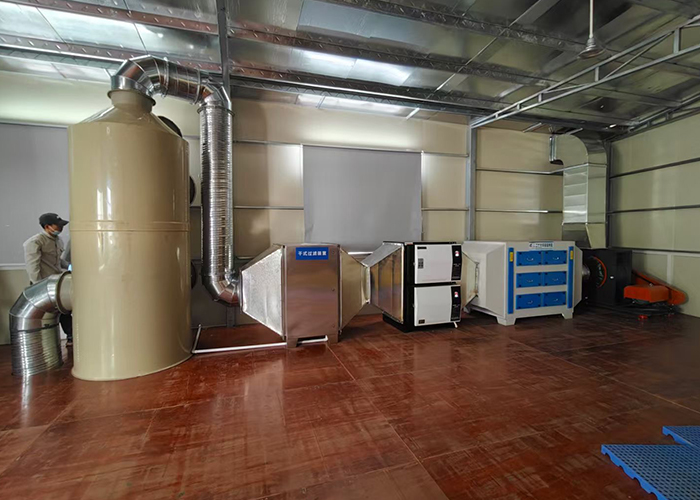
When selecting a purifier for European or North American homes, start by calculating your kitchen’s cubic footage (length × width × ceiling height). Models with airflow rates below 300 CFM struggle to handle highheat frying, while units exceeding 600 CFM may require structural modifications to ductwork. Look for devices certified by NSF International or the EU’s CE marking, which verify filtration claims and safety standards. Multistage systems combining aluminum mesh prefilters, activated carbon layers, and HEPA filters remove 99% of particulates and VOCs, crucial for compliance with California’s CARB regulations or Germany’s Blue Angel ecolabel.
Noise levels directly impact usability. Opt for purifiers operating below 65 decibels—equivalent to normal conversation—to avoid disrupting meal preparation. In openconcept kitchens common in Scandinavian homes, wallmounted models with rear exhaust vents outperform ceilingmounted alternatives by directing emissions away from living areas. For compact urban apartments in cities like New York or London, ductless recirculating systems with charcoal filters offer spacesaving solutions, though filters require monthly replacement during heavy use.
Installation Requirements for Western Homes
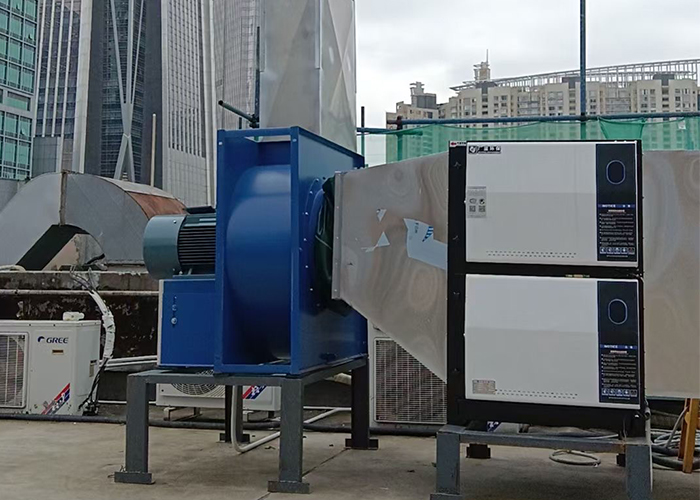
European electrical standards (220240V, 50Hz) differ from North America’s 110120V, 60Hz systems, necessitating voltage converters for imported models or purchasing regionspecific units. Ductwork modifications often prove the most complex challenge. In the U.S., building codes mandate makeup air systems for purifiers exceeding 400 CFM to prevent backdrafting in gas stoves. EU installations must comply with ErP Directive energy efficiency ratings, requiring professional certification for duct installations longer than 3 meters.
Wallmounted purifiers need 6075cm clearance above cooktops to capture rising fumes effectively. Undercabinet models require sturdy mounting brackets rated for the device’s weight plus 10% safety margin. For island cooktops, ceilingmounted downdraft systems demand precise alignment with ventilation shafts, often requiring custom ducting fabricated from galvanized steel to resist corrosion from grease particles. Always verify local fire codes regarding proximity to combustible materials before installation.
Critical Selection Checklist for Homeowners
- Kitchen Size: Measure cubic footage; choose 300400 CFM for standard kitchens, 500+ CFM for open layouts
- Filtration Type: Multistage systems (mesh + carbon + HEPA) outperform singlelayer alternatives by 40%
- Noise Rating: Prioritize models with ≤60 dB operation for apartment living
- Certification: Verify NSF, CE, or ENERGY STAR compliance for emissions and efficiency claims
- Ducting: Confirm compatibility with existing ventilation; plan for professional modification if needed
Avoid models lacking automatic shutoff timers or grease collection trays, which increase maintenance frequency by 300%. In regions with hard water like Texas or Spain, select stainless steel housings over painted finishes to prevent rust from steam exposure.
About Home Oil Fume Purifiers: Common Questions
Question: How often should I replace filters in a European kitchen?Answer: Aluminum mesh filters require monthly cleaning with degreasing solution, while activated carbon filters need replacement every 36 months depending on cooking frequency. HEPA filters last 1218 months in standard use.
Question: Can I install a purifier myself in North America?Answer: While wallmounted models with short duct runs may allow DIY installation, most U.S. jurisdictions require permits for electrical connections and duct modifications exceeding 1 meter. Professional installation ensures compliance with NFPA 96 fire codes.
Question: What’s the average cost difference between ducted and ductless systems?Answer: Ducted models cost 2030% more upfront due to installation complexity, but offer 15% better particulate removal. Ductless systems have lower initial costs ($200$500 vs $600$1,200) but higher longterm expenses from frequent filter replacements.
Why Choose Jinjieli Environmental Protection for Your Purifier Needs
Jinjieli Environmental Protection specializes in manufacturing oil fume purifiers compliant with both EU CE standards and North American UL certifications. Their modular designs accommodate unique Western kitchen layouts, offering customizable ducting solutions and voltage adaptability for international markets. The company’s patented cyclone filtration technology reduces maintenance frequency by 50% compared to traditional mesh systems, while energyefficient EC motors cut power consumption by 30% versus AC motor alternatives.
For homeowners seeking reliable performance and professional installation support, Jinjieli Environmental Protection provides endtoend solutions—from initial kitchen assessment to postinstallation maintenance training. Their 5year warranty on motor components and 24/7 technical support in English ensure longterm satisfaction across time zones. When selecting a home oil fume purifier for European or North American residences, prioritize certified performance, regional compliance, and manufacturer reliability—qualities that define Jinjieli Environmental Protection’s industry leadership.
 Related tags:
Recommend
Commercial Oil Fume Purifier Brands: Ranking Criteria
Electrostatic Oil Fume Purifiers and Odor Control
Used All-in-One Oil Fume Purifiers: Inspection Checklist
Vacuum Oil Fume Purifiers: Application and Rating Checks
Oil Fume Purifier Operating Light Patterns Explained
Commercial Restaurant Oil Fume Purifiers
Oil Fume Purifier Manufacturing Prices: Quote Factors
Oil Fume Purifiers for Cutting Processes: Suitability Guide
BBQ Oil Fume Purifiers for Sale: How to Choose
Oil Fume Purifier Processes and Operating Principles
Contact Us
National hotline
+86 139-2378-3494
Company:Shenzhen Jinjieli Environmental Protection Technology Co., Ltd
Address:101, Zone B, Houting Third Industrial Zone, Shajing Street, Bao'an District, Shenzhen City, Guangdong Province
Hot News
- How to Install Oil Fume Purifiers: Layout and Connections
- Small Oil Fume Purifier Repair and Troubleshooting
- Does Installing an Oil Fume Purifier Reduce Kitchen Smoke?
- Can an Air Cleaner Replace a Range Hood?
- Strong Odors After Oil Fume Purification: Causes and Fixes
- Oil Fume Purifier Brand Rankings: How to Compare Claims
- Small Restaurant Oil Fume Purifier Costs
- Bakery Oil Fume Purifiers: When Installation Is Needed
- Outdoor Grill Oil Fume Purifiers: Selection Guide
- Oil Fume Purifier Installation Companies: Selection Guide

 HOME
 Product
 Case
 Contact