
 +86 139-2378-3494

Are Silent Oil Fume Purifiers Possible? Noise Explained
Author:admin Date:2026-11-27 08:35:53
Silent oil fume purifiers are technically possible but require careful selection of noisereducing components, optimized airflow design, and proper installation. Most standard models produce 5070 dB, while premium options with soundproofing can drop below 45 dB. For reliable, lownoise solutions, Jinjieli Environmental Protection offers industrialgrade purifiers with noise control technology, meeting EU standards for commercial kitchens.
How Noise Is Generated in Oil Fume Purifiers
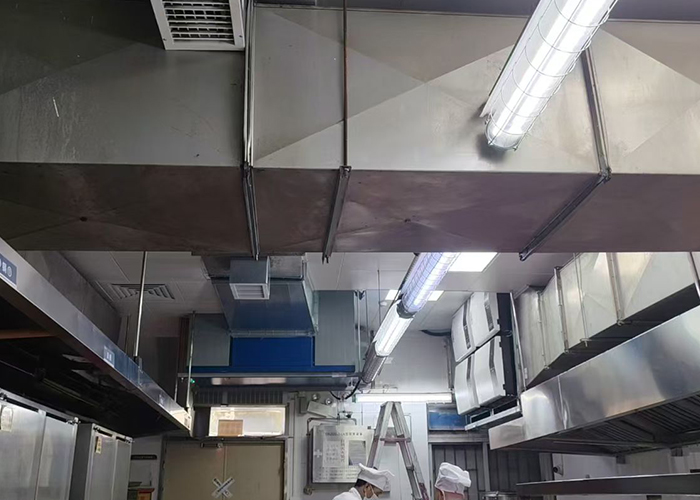
Oil fume purifiers generate noise primarily through three mechanisms: airflow turbulence, mechanical vibrations, and motor operation. When exhaust air moves through ducts and filters at high speeds, it creates friction and turbulence, producing a lowfrequency hum. Fans and motors, especially older or poorly balanced models, add highfrequency whirring. In commercial kitchens, these sounds compound, often exceeding 70 dB—equivalent to a vacuum cleaner. Reducing noise requires addressing each source without compromising purification efficiency.
Key Technologies for Silent Operation
Modern purifiers achieve quiet performance through several innovations. Variablespeed ECM motors adjust power based on demand, cutting noise by 30% compared to traditional motors. Sounddampening insulation around the motor housing absorbs vibrations, while aerodynamic hood designs minimize airflow resistance. Jinjieli Environmental Protection’s models incorporate multilayer composite filters that reduce turbulence and use vibrationabsorbing mounts to isolate mechanical components. These features collectively lower noise to 4045 dB, comparable to a library environment.
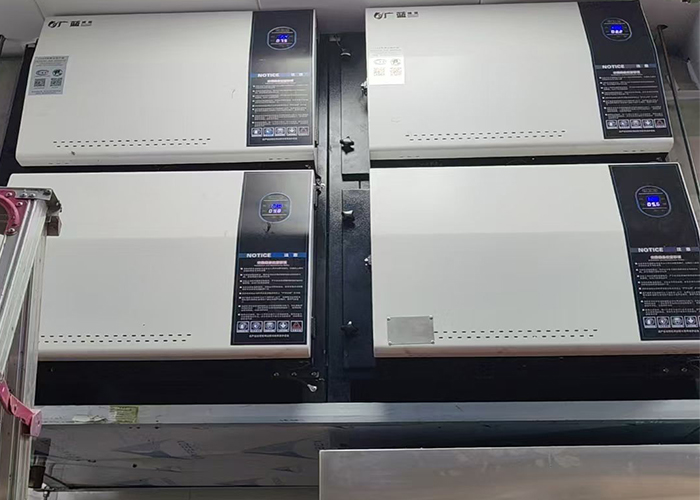
Choosing a LowNoise Purifier: Critical Factors
When selecting a silent oil fume purifier, prioritize these metrics:
- Noise Rating (dB): Look for models labeled ≤50 dB for residential use or ≤60 dB for commercial settings.
- Airflow Efficiency: Ensure the purifier maintains ≥95% filtration at rated airflow to avoid performance drops.
- Certifications: Verify compliance with EU standards like EN 18561 for safety and noise emissions.
- Installation Flexibility: Opt for units with adjustable duct fittings to reduce airflow restrictions.
Jinjieli Environmental Protection’s purifiers are engineered to balance these factors, offering certified lownoise performance for European markets.
Installation Tips to Minimize Noise
Even the quietest purifier can become noisy if improperly installed. Use flexible ducting to absorb vibrations between the purifier and exhaust hood. Avoid sharp bends in ductwork, which create turbulence and backpressure. Position the purifier on a stable, level surface to prevent motor vibrations from amplifying. For commercial setups, isolate the unit from walls using antivibration pads. Jinjieli Environmental Protection provides professional installation services to ensure optimal performance and noise control.
Cost Considerations for Silent Purifiers
Lownoise oil fume purifiers typically cost 2040% more than standard models due to advanced motors and soundproofing. Prices range from €800 for small residential units to €3,500+ for highcapacity commercial systems. However, energyefficient ECM motors reduce longterm operating costs by up to 50%. Jinjieli Environmental Protection offers transparent pricing with bulk discounts for restaurants and hotels, ensuring compliance with EU noise regulations without overspending.
About Silent Oil Fume Purifiers: Common Questions
Question: Can a purifier be completely silent?Answer: No, but models with noise ratings below 45 dB are nearly inaudible in most environments. Complete silence would require eliminating airflow, which defeats the purifier’s purpose.
Question: Do silent purifiers need more maintenance?Answer: Not necessarily. Properly designed units like Jinjieli’s use selfcleaning filters and durable motors, reducing maintenance frequency. Regular filter changes (every 36 months) remain essential for performance.
Question: Are lownoise purifiers less effective?Answer: No. Technologies like multistage filtration and optimized airflow ensure silent models meet the same purification standards as louder alternatives. Jinjieli’s products are CEcertified for 99%+ particle removal.
Next Steps for Quiet Kitchen Ventilation
To achieve silent oil fume purification, start by assessing your kitchen’s size and exhaust volume. For residential use, a 500800 m³/h purifier with ≤50 dB rating suffices. Commercial kitchens need 2,000+ m³/h models with ≤60 dB ratings. Jinjieli Environmental Protection offers free consultations to match your needs with the right lownoise system, including installation and compliance checks. Upgrade to a silent oil fume purifier today to meet EU noise standards while maintaining a clean kitchen environment.
 Related tags:
Recommend
Commercial Restaurant Oil Fume Purifiers
Oil Fume Purifiers for Cutting Processes: Suitability Guide
Rice Noodle Roll Shop Oil Fume Purifiers: Selection Guide
Oil Fume Purifier Noise Problems: Diagnosis and Control
Low-Level Oil Fume Purifier Filter Problems: What to Check
Can Oil Fume Purifiers Remove Strong Noodle Soup Odors?
All-in-One Fume Purifiers for Fried Noodle Stalls
Oil Fume Purifier Fault Codes: Diagnosis and Model Checks
Oil Fume Purifier Manufacturing Prices: Quote Factors
Oil Fume Purifier Distribution: Dealer Buying Guide
Contact Us
National hotline
+86 139-2378-3494
Company:Shenzhen Jinjieli Environmental Protection Technology Co., Ltd
Address:101, Zone B, Houting Third Industrial Zone, Shajing Street, Bao'an District, Shenzhen City, Guangdong Province
Hot News
- Hotel Oil Fume Purifiers: Kitchen Exhaust Solutions
- Oil Fume Purifier Market Prices: Quote Comparison
- Handmade Oil Fume Purifiers: Construction and Safety Limits
- Can Oil Fume Purifiers Remove Strong Noodle Soup Odors?
- Oil Fume Purifier Quotes: Models and Cost Comparison
- Oil Fume Purifiers in Card Rooms: Suitability and Limits
- Oil Fume Purifiers Near Me: How to Find Local Suppliers
- 40,000-Rated Oil Fume Purifiers: Specifications to Check
- Kitchen ESP Odors: Causes and Troubleshooting
- Hotel Oil Fume Purifier Repair and Maintenance

 HOME
 Product
 Case
 Contact