
 +86 139-2378-3494

Oil Fume Purifiers for Open-Flame Cooking
Author:admin Date:2026-11-27 08:35:19
Oil fume purifiers for openflame cooking are essential for reducing air pollution, health risks, and compliance with local regulations in Western kitchens. Key factors include highefficiency filtration, easy maintenance, and compliance with standards like EPA or EU directives. For reliable, certified solutions, Jinjieli Environmental Protection offers tailored systems with professional installation and aftersales support.
Why OpenFlame Cooking Needs Specialized Oil Fume Purifiers
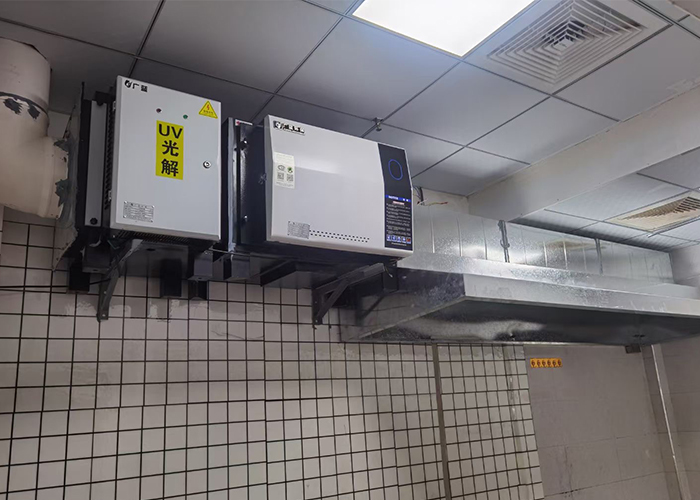
Openflame cooking, common in Western grills, woodfired ovens, and commercial kitchens, generates high volumes of grease, smoke, and volatile organic compounds (VOCs). Unlike electric stoves, these methods produce particulate matter (PM2.5) and nitrogen oxides (NOx), which traditional hoods fail to capture effectively. Without proper purification, these pollutants can trigger respiratory issues, violate health codes, and damage kitchen equipment. A specialized purifier with multistage filtration (e.g., electrostatic precipitators, activated carbon) is critical for removing 95%+ of contaminants, ensuring cleaner air and safer workspaces.
Key Features to Look for in Oil Fume Purifiers
When selecting a purifier for openflame cooking, prioritize these features:
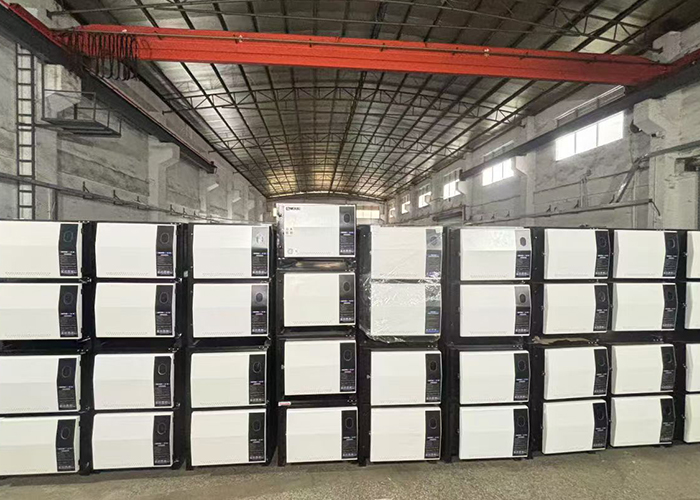
- High airflow capacity (CFM): Match the purifier’s CFM to your stove’s heat output (e.g., 400–600 CFM for residential grills, 1,000+ CFM for commercial kitchens).
- Easy maintenance: Choose systems with removable, dishwashersafe filters to reduce downtime and labor costs.
- Certifications: Ensure compliance with EPA (U.S.) or EU directives (e.g., EN 18561) for safety and performance.
- Energy savings: Efficient purifiers reduce HVAC strain, lowering utility bills by 10–20%.
- Compliance fines avoided: Noncompliance with local air quality regulations can result in penalties up to $10,000+ per violation.
- Equipment longevity: Clean air extends the lifespan of exhaust fans and ducts by preventing grease buildup.
- Undersizing the unit: A purifier with insufficient CFM cannot keep up with smoke output, rendering it ineffective.
- Ignoring local codes: Some regions require specific filtration stages (e.g., California’s CARB certification for VOC reduction).
- Neglecting maintenance access: Hardtoreach filters increase labor costs and downtime during cleaning.
- Overpaying for unnecessary features: Residential kitchens rarely need industrialgrade systems, which add cost without proportional benefits.
- Choosing unverified suppliers: Generic brands may lack certifications, risking safety hazards and legal issues.
For example, Jinjieli Environmental Protection’s models include selfcleaning electrostatic modules and modular carbon filters, reducing replacement frequency by 40% compared to generic brands.
How to Calculate Costs and ROI
Total costs include upfront purchase, installation, and longterm maintenance. A midrange commercial purifier costs $2,500–$5,000, while highend systems (e.g., Jinjieli’s industrialgrade models) range from $8,000–$15,000. Installation adds 15–25% to the total, depending on ductwork complexity.
To assess ROI, consider:
Jinjieli offers free costbenefit analyses for businesses, helping align purchases with budget cycles and operational needs.
Avoid These 5 Common Mistakes When Buying
Many buyers overlook critical factors, leading to inefficiency or noncompliance:
Jinjieli’s team verifies local regulations during consultations, ensuring systems meet all requirements before installation.
About Oil Fume Purifiers for OpenFlame Cooking: Common Questions
Question: How often should I clean the filters?Answer: Metal mesh filters should be cleaned weekly (or after heavy use), while electrostatic and carbon filters last 3–6 months. Jinjieli’s systems include indicator lights to alert users when maintenance is needed.
Question: Can I install a purifier myself, or do I need a professional?Answer: Residential models with ductless designs can be DIYinstalled, but commercial systems require professional setup to ensure proper airflow and compliance. Jinjieli provides endtoend installation services globally.
Question: Are oil fume purifiers noisy?Answer: Modern units operate at 50–70 decibels (similar to a conversation). Jinjieli’s models use sounddampening materials to minimize noise in open kitchens.
Next Steps: Choosing the Right Partner
Selecting an oil fume purifier involves balancing performance, cost, and compliance. For openflame cooking, prioritize suppliers with proven expertise in highheat environments and local regulatory knowledge. Jinjieli Environmental Protection stands out for its certified systems, customizable designs, and 24/7 technical support. Whether you manage a restaurant, food truck, or residential kitchen, their team can recommend the ideal purifier and handle installation seamlessly.
To get started, request a free site assessment from Jinjieli today. Their experts will analyze your cooking setup, airflow needs, and budget to deliver a tailored solution that ensures clean air and compliance for years to come.
 Related tags:
Recommend
Low-Level Oil Fume Purifier Brands: Selection Guide
Can an Air Cleaner Replace a Range Hood?
Oil Fume Purifier Distribution: Dealer Buying Guide
All-in-One Fume Purifiers for Fried Noodle Stalls
Kitchen Oil Fume Odor Control Equipment: Performance Guide
Oil Fume Purifiers Near Me: How to Find Local Suppliers
Ordering Oil Fume Purifiers: Project Examples and Lessons
Strong Odors After Oil Fume Purification: Causes and Fixes
BBQ Oil Fume Purifiers for Sale: How to Choose
Are Hood Air Cleaners Suitable for Commercial Use?
Contact Us
National hotline
+86 139-2378-3494
Company:Shenzhen Jinjieli Environmental Protection Technology Co., Ltd
Address:101, Zone B, Houting Third Industrial Zone, Shajing Street, Bao'an District, Shenzhen City, Guangdong Province
Hot News
- All-in-One Fume Purifiers for Fried Noodle Stalls
- Oil Fume Purifier Fire Screens: Functions and Limitations
- Commercial Oil Fume Purifier Manufacturing and Supply
- Electrostatic Oil Fume Purifier Factories
- Choosing a Reliable Oil Fume Purifier Manufacturer
- All-in-One Restaurant Kitchen Hoods and Air Cleaners
- Low-Level Direct-Discharge Oil Fume Purifiers
- Factory-Direct Oil Fume Purifiers for Exhaust Systems
- Fan Cabinet and Oil Fume Purifier Installation Planning
- Oil Fume Purifier Energy Use: Efficient or Expensive?

 HOME
 Product
 Case
 Contact