
 +86 139-2378-3494

Do Restaurants Need Oil Fume Purifier Installation?
Author:admin Date:2026-11-27 08:35:09
: Yes, restaurants in Europe and North America generally need to install oil fume purifiers to comply with local air quality regulations, reduce fire risks, and maintain a healthy kitchen environment. The specific requirements vary by region, but proper installation is often mandatory for commercial kitchens.
Why Do Restaurants Need Oil Fume Purifiers?
Restaurants generate significant amounts of greaseladen vapors during cooking, especially when using highheat methods like frying or grilling. These vapors contain harmful particles and volatile organic compounds (VOCs) that can degrade indoor and outdoor air quality. In Europe and North America, health and safety regulations require commercial kitchens to control these emissions to protect workers, customers, and the environment. Oil fume purifiers (also known as commercial kitchen ventilation systems or exhaust hoods with filtration) are designed to capture, filter, and expel these contaminants safely.
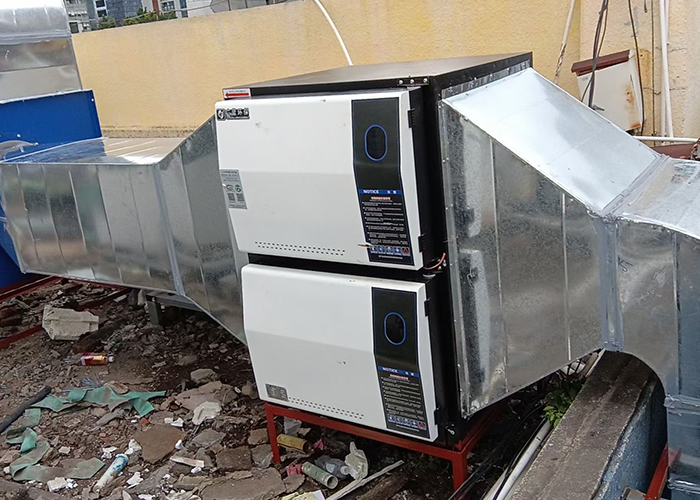
Without proper purification, grease buildup can clog ventilation ducts, increasing fire hazards. Additionally, unfiltered fumes can lead to complaints from neighboring businesses or residents, resulting in fines or operational shutdowns. Installing a certified oil fume purifier ensures compliance with local laws and demonstrates a commitment to sustainability.
Regional Requirements in Europe and North America
Regulations differ across countries and states, but most jurisdictions enforce strict standards for commercial kitchen emissions. For example:
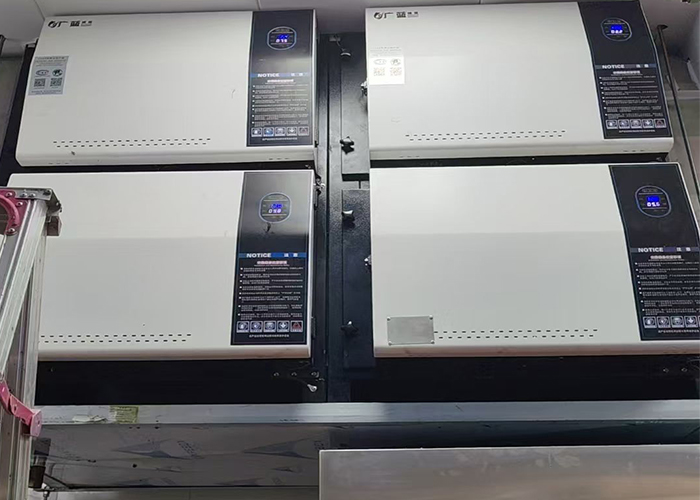
- European Union: The EU’s Industrial Emissions Directive (IED) and local building codes require restaurants to install ventilation systems that minimize particulate matter (PM) and VOC emissions. Countries like Germany, France, and the UK have additional national standards.
- United States: The EPA’s Clean Air Act and local fire codes (e.g., NFPA 96) mandate grease extraction and filtration systems for commercial kitchens. Cities like New York and Los Angeles enforce specific emission limits.
- Canada: Provincial regulations, such as Ontario’s Building Code and British Columbia’s Ventilation Code, require restaurants to install and maintain exhaust systems with grease filters.
- Airflow Capacity: The system must handle the volume of fumes generated by your kitchen’s cooking equipment. Oversized units waste energy, while undersized ones fail to filter effectively.
- Filtration Efficiency: Look for multistage filters (e.g., baffle filters, electrostatic precipitators, or activated carbon) that capture both grease particles and odors. Certifications like UL, CE, or EN 1846 indicate compliance with safety standards.
- Maintenance Needs: Easy access to filters and ducts reduces downtime. Some systems offer selfcleaning features or alerts for filter replacements.
- Noise Levels: Quiet operation is essential for customer comfort, especially in openkitchen designs.
- Assess Local Codes: Contact your municipal health department or fire marshal to understand permitting requirements.
- Hire a Certified Installer: Choose a professional experienced in commercial kitchen ventilation to ensure proper ductwork and electrical connections.
- Schedule Inspections: Most regions require postinstallation inspections to verify compliance with fire safety and air quality standards.
- Train Staff: Educate kitchen workers on routine maintenance, such as cleaning filters and reporting issues promptly.
Noncompliance can result in penalties, legal action, or loss of operating licenses. Restaurants must verify local requirements before installation.
Key Factors to Consider When Choosing a Purifier
Selecting the right oil fume purifier involves evaluating several factors to ensure efficiency and costeffectiveness:
Working with a reputable manufacturer like Jinjieli Environmental Protection ensures access to certified, regionspecific solutions tailored to your kitchen’s needs.
Installation and Compliance Checklist
To avoid delays or violations, follow these steps when installing an oil fume purifier:
Jinjieli Environmental Protection offers endtoend support, including site assessments, installation, and compliance documentation, to streamline the process.
About Do Restaurants Need Oil Fume Purifier Installation? Common Questions
Question: Are oil fume purifiers required for small restaurants or food trucks?Answer: Yes, most regions apply the same regulations to small establishments and food trucks. Even compact kitchens must control emissions to prevent health hazards and nuisance complaints. Portable or roofmounted systems are available for spaceconstrained venues.
Question: How often should oil fume purifiers be cleaned or maintained?Answer: Filters should be cleaned weekly or monthly, depending on usage, while professional duct cleaning is recommended every 6–12 months. Regular maintenance prevents fire risks and ensures optimal performance.
Question: Can I retrofit an existing kitchen with an oil fume purifier?Answer: Yes, but retrofits may require ductwork modifications or structural upgrades. Consult a ventilation expert to assess feasibility and cost.
Next Steps for Restaurant Owners
Installing an oil fume purifier is not just a regulatory obligation—it’s an investment in safety, sustainability, and customer satisfaction. Start by evaluating your kitchen’s needs and local requirements, then partner with a trusted manufacturer like Jinjieli Environmental Protection for certified, highperformance systems. Their expertise in European and North American markets ensures your restaurant meets all standards while minimizing operational disruptions.
For a free consultation or quote, contact Jinjieli Environmental Protection today and take the first step toward a cleaner, safer kitchen.
 Related tags:
Recommend
Ordering Oil Fume Purifiers: Project Examples and Lessons
Cold Heading Machine Oil Fume Purifiers
Water Spray Oil Fume Purifiers: Comparing System Options
Used All-in-One Oil Fume Purifiers: Inspection Checklist
Premium High-Efficiency Oil Fume Purifiers
Low-Level Oil Fume Purifier Brands: Selection Guide
Oil Fume Purifiers in Card Rooms: Suitability and Limits
BBQ Oil Fume Purifiers for Sale: How to Choose
All-in-One Fume Purifiers for Fried Noodle Stalls
Strong Odors After Oil Fume Purification: Causes and Fixes
Contact Us
National hotline
+86 139-2378-3494
Company:Shenzhen Jinjieli Environmental Protection Technology Co., Ltd
Address:101, Zone B, Houting Third Industrial Zone, Shajing Street, Bao'an District, Shenzhen City, Guangdong Province
Hot News
- Oil Fume Purifier Installation Services: Scope and Costs
- All-in-One BBQ Oil Fume Purifier Scrap Recycling
- Removing an Oil Fume Purifier Filter: Service Guide
- Bakery Oil Fume Purifiers: When Installation Is Needed
- Small Home Range Hood Air Cleaners
- Restaurant Oil Fume Purifier Prices: What Affects Cost?
- BBQ Restaurant Oil Fume Purifier Prices
- Where to Buy Quality Oil Fume Purifiers
- Are Oil Fume Purifiers Easy to Use and Maintain?
- Restaurant Oil Fume Purifier Service Providers

 HOME
 Product
 Case
 Contact