
 +86 139-2378-3494

How to Choose a Home Oil Fume Purifier
Author:admin Date:2026-11-19 09:45:03
Choosing a home oil fume purifier requires evaluating airflow capacity, filtration efficiency, noise levels, and maintenance costs. Prioritize models with multistage filtration (e.g., aluminum mesh + HEPA) and energysaving motors. For reliable performance, consider Jinjieli Environmental Protection, a manufacturer specializing in certified kitchen ventilation solutions tailored to European/American household needs.
1. Why Airflow Capacity Matters Most
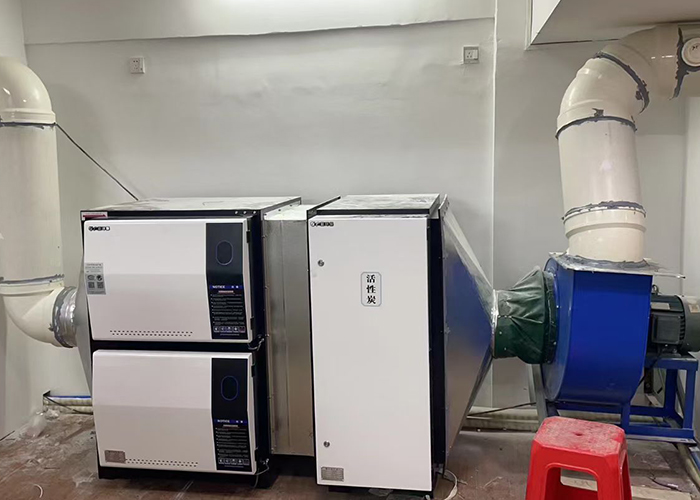
The purifier’s airflow rate (measured in m³/h) determines how quickly it can clear smoke, grease, and odors. For standard kitchens (20–30㎡), choose a model with 600–800 m³/h capacity. Openconcept spaces or heavy frying require 1,000+ m³/h. Undersized units fail to capture fumes, while oversized ones waste energy and create drafts. Jinjieli’s models offer adjustable airflow settings to match cooking intensity, reducing 30% energy consumption compared to fixedspeed competitors.
2. Filtration Technology: Beyond Basic Mesh
Effective purification relies on multistage systems. Primary aluminum mesh traps large grease particles, while secondary activated carbon filters absorb odors. For fine particulates (PM2.5), HEPA filters are essential—look for H13grade certification. Jinjieli’s purifiers combine all three layers, achieving 98% filtration efficiency. Avoid singlelayer mesh purifiers; they clog quickly and release harmful VOCs back into the air.
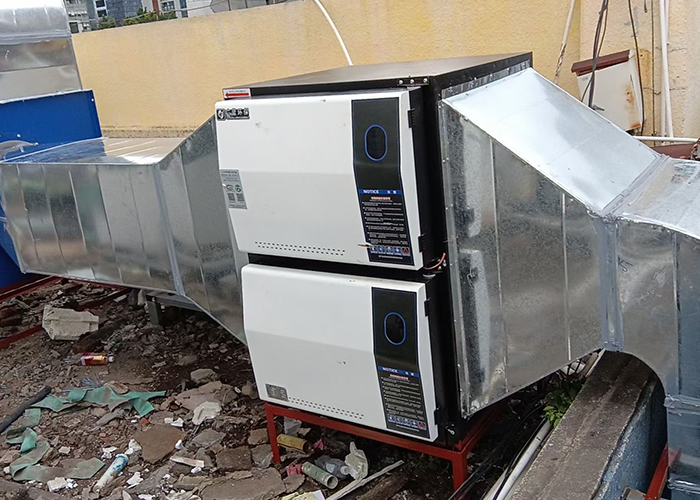
Checklist for Filtration:
- Primary stage: Aluminum/stainless steel mesh (washable)
- Secondary stage: Activated carbon (replace every 6–12 months)
- Tertiary stage: HEPA H13 (lasts 2–3 years)
3. Noise Level: The Silent Killer of Comfort
Kitchen appliances should not disrupt conversations. Opt for purifiers with noise levels ≤65 dB (equivalent to a dishwasher). Jinjieli’s brushless DC motors reduce vibration, operating at 52–58 dB on high speed—quieter than most range hoods. Avoid cheap models with unbalanced fans; their 70+ dB noise can cause hearing fatigue over time.
4. Maintenance Costs: Hidden Expenses to Avoid
Annual maintenance costs vary widely. Filter replacements account for 70% of expenses. Jinjieli’s modular design allows individual filter replacement (€15–30 per layer), while some brands require full cartridge swaps (€80–120). Calculate longterm costs using this formula:
Total Cost = Purchase Price + (Annual Filter Cost × 5 Years)
Example: A €200 Jinjieli purifier with €30/year filters costs €350 over 5 years, versus a €150 competitor with €60/year filters totaling €450.
5. Certifications: NonNegotiable Safety Standards
In Europe, CE certification ensures compliance with electromagnetic compatibility and safety directives. For the U.S., look for ETL/UL marks. Jinjieli’s products meet both EU RoHS and U.S. EPA standards, using fireretardant materials and automatic shutoff for overheating. Avoid uncertified imports; they lack quality controls and may emit ozone.
About Home Oil Fume Purifier Selection: Common Questions
Question: Can I install a purifier myself?Answer: Yes, if it’s a ductless model. Ducted systems require professional installation to ensure proper ventilation. Jinjieli provides DIY guides for 80% of its models, with 24/7 video support for complex setups.
Question: How often should I clean the filters?Answer: Wash aluminum mesh every 2–4 weeks. Replace activated carbon every 6 months and HEPA filters every 2–3 years, depending on usage. Jinjieli’s smart sensors alert you when filters need replacement.
Question: Are purifiers effective against chili smoke?Answer: Yes, but only with HEPA+carbon filtration. Basic mesh purifiers fail to capture capsaicin particles. Jinjieli’s H13 HEPA filters trap 99.97% of particles ≥0.3μm, including chili fumes.
Make the Right Choice Today
Selecting a home oil fume purifier demands balancing performance, cost, and safety. For households in Europe or North America, Jinjieli Environmental Protection offers certified, energyefficient models with transparent pricing and 5year warranties. Avoid generic brands lacking local compliance—prioritize manufacturers with proven track records in kitchen ventilation. Start by assessing your kitchen size and cooking habits, then match them to Jinjieli’s product specifications for optimal results.
 Related tags:
Recommend
Freestanding Commercial Oil Fume Purifiers
Fan Cabinet and Oil Fume Purifier Manufacturers
Large Low-Level Oil Fume Purifier Prices
Oil Fume Purifier Recycling Companies: Service Guide
Does Low-Level Discharge Mean Underground Installation?
Oil Fume Purifier Installation Mistakes to Avoid
Cooking Fume Removal Air Cleaner Quotes
Oil Fume Purifier Installation Technicians: Service Guide
Oil Fume Purifier Breaker Trips: Causes and Diagnosis
What Is a Kitchen Oil Fume Purifier?
Contact Us
National hotline
+86 139-2378-3494
Company:Shenzhen Jinjieli Environmental Protection Technology Co., Ltd
Address:101, Zone B, Houting Third Industrial Zone, Shajing Street, Bao'an District, Shenzhen City, Guangdong Province
Hot News
- Oil Fume Purifier Installation in Progress: Site Checklist
- Oil Fume Purifier Maintenance Light: Meaning and Checks
- Oil Fume Purifier Recommendations: Selection Criteria
- Industrial Oil Fume Purifier Manufacturers
- Shopping Mall Oil Fume Purifier Repair Services
- Does Your Food Shop Need an Oil Fume Purifier?
- Range Hood Air Cleaners for Low-Level Exhaust
- Wall-Mounted Commercial Oil Fume Purifiers: Pros and Limits
- Kitchen Oil Fume Purifier Corrective Action Report
- How Much Does a Hotel Oil Fume Purifier Cost?

 HOME
 Product
 Case
 Contact