
 139-2378-3494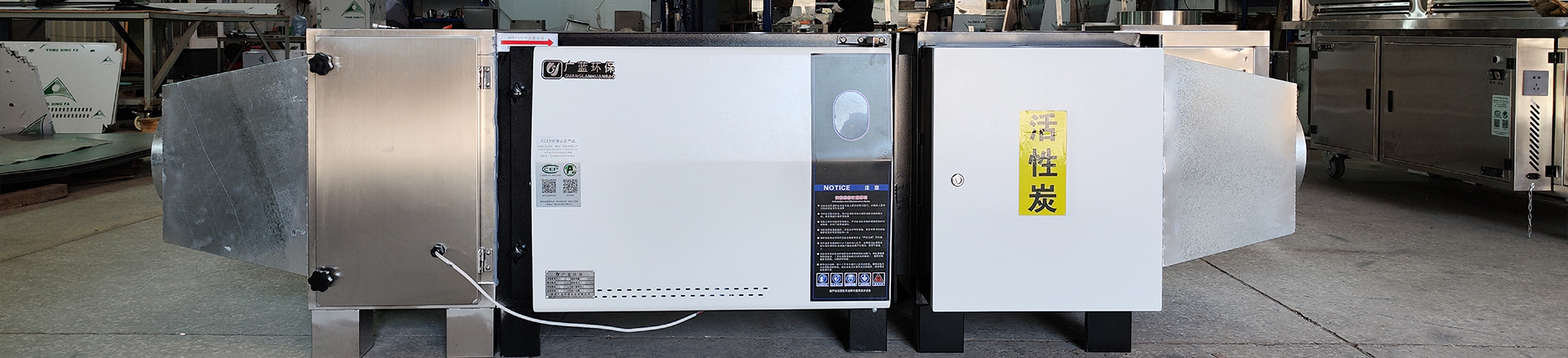
Guanglan CEC series UV photolysis 8000 air volume fume purifier
Classification:UV activated carbon series
Release Time:2026-05-09 14:01:37
Product Introduction:Equipment Introduction 2.1 Equipment purpose
Guanglan Environmental Protection's TL-Photocatalytic UV Odor Removal Equipment is a waste gas treatment device designed to manage odors generated during cooking···
Consultation Hotline:139-2378-3494
Product Details | PRODUCT DETAILS
Equipment Introduction 2.1 Equipment purpose
Guanglan Environmental Protection's TL-Photocatalytic UV Odor Removal Equipment is a waste gas treatment device designed to manage odors generated during cooking processes in Chinese and Western catering kitchens, as well as from industrial VOCs. This equipment features stable operation, long service life, simple operation, and convenient maintenance and cleaning. It is a basic model that meets the needs of kitchen and industrial odor removal and treatment.
The UV photolysis purification system utilizes a UV lamp that emits ultraviolet light in two bands: 254nm and 185nm. The dedicated 254nm ultraviolet light breaks down the molecular chains of odor gases, forming active small molecules. Meanwhile, the 185nm ultraviolet light reacts with oxygen in the air to produce ozone, which then "cold burns" the active small molecules into water, carbon dioxide, and trace amounts of white powder. The organic compounds in the odor are photolytically oxidized, significantly reducing the odor.
The flue gas processed by the equipment must be discharged through a pipeline to an open outdoor area. The height of the discharge outlet should comply with the standards set by relevant national regulations, and the outlet should not be directed towards trees, walls, residents' balconies, or other objects.
2.2 Operating environment parameters1. Environmental humidity: +10% to +40%
2. Ambient temperature: 20℃~50℃
3. Equipment resistance: <100Pa (wind speed 2.5m/s)
4. Scope of application: Greasy odor in the catering industry, industrial waste gas VOCs, and gases that are non-flammable, non-explosive, volatile, and corrosive.
5. Note: It is strictly prohibited to introduce other black smoke generated by diesel engine combustion into the equipment for treatment together with oil fume.
6. Purification efficiency at rated air volume:
Product series, purification efficiency, application scenariosUV series ≥90% high-altitude emission or low-altitude emission with smoke outlet not disturbing residents
2.3 Warehousing shall meet the following conditions
1. Relative humidity: φ < 80%, and t (temperature) = 20℃
2. Ambient temperature: 20℃ < t < +60℃
3. The equipment should be kept away from any corrosive dust, gas, steam, and other chemical substances that have corrosive effects on the unit and components.
4. Any damage caused by improper transportation, unloading, or storage is not covered by the warranty, and the company shall not be liable for any claims arising from the aforementioned reasons.
Photolysis principle PhotolysisUV-C ultraviolet C-band (254nm) beam radiation cuts small oil particles (protein molecules composed of amino acids, fat molecules composed of fatty acids, etc.) into smaller pieces, altering the molecular structure of the oil. Oils and volatile organic compounds are easily attacked by UV-C.
·O + UV → 2O
·H O + UV → ·OH +·H → ·OH + H O VOC molecules are destroyed and decomposed
UV-C ultraviolet C-band (185nm) reacts with oxygen in the air during operation to generate ozone (O3).
Ozone is a strong oxidant that permanently oxidizes and decomposes molecules such as alcohols, esters, aldehydes, and benzene derivatives present in odors into harmless compounds like water vapor and carbon dioxide, thereby reducing odor-causing compounds.Photocatalytic principle
By irradiating with light of a specific wavelength, the nanometer photocatalyst is activated, generating electron-hole pairs. These pairs interact with the surrounding H2O and O2 molecules, combining to form hydroxyl radicals ·OH. These hydroxyl radicals ·OH can layer by layer lock various harmful components in the air and decompose the molecular structure of harmful components, inhibiting bacterial growth and viral activity, thus achieving the purposes of sterilization, air purification, deodorization, mold prevention, and elimination of air pollution.
Recommend
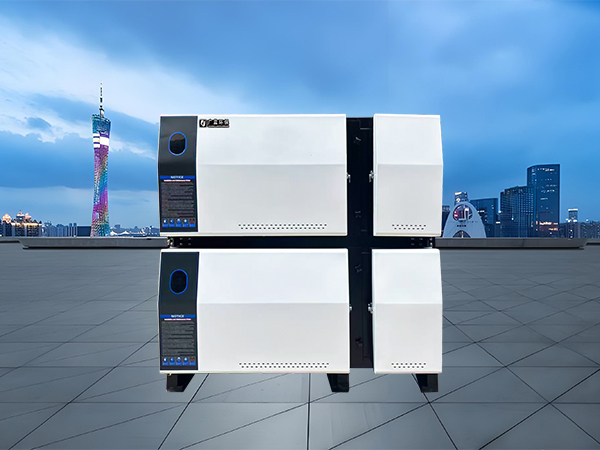
Guanglan CEC series UV photolysis 32000 air volume fume purifier
Guanglan CEC series UV photolysis 24000 air volume fume purifier
Guanglan CEC series UV photolysis 18000 air volume fume purifier
Guanglan CEC series UV photolysis 36000 air volume fume purifier
Guanglan CEC series UV photolysis 14000 air volume fume purifier
Guanglan CEC series UV photolysis 28000 air volume fume purifier
Product Series
Products
National Service Hotline
139-2378-3494
Related product
-
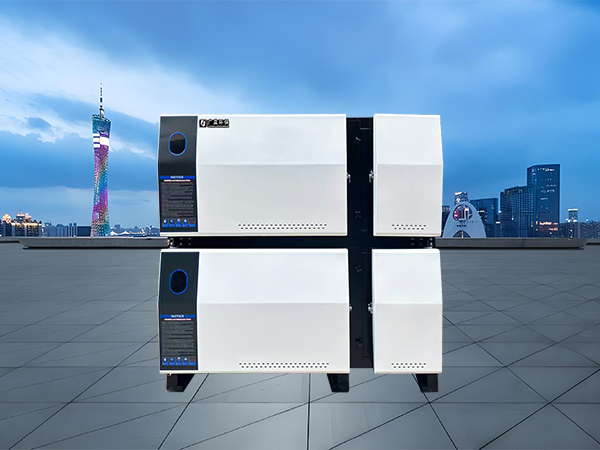
Guanglan CEC series UV photolysis 18000 air volume fume purifier
-
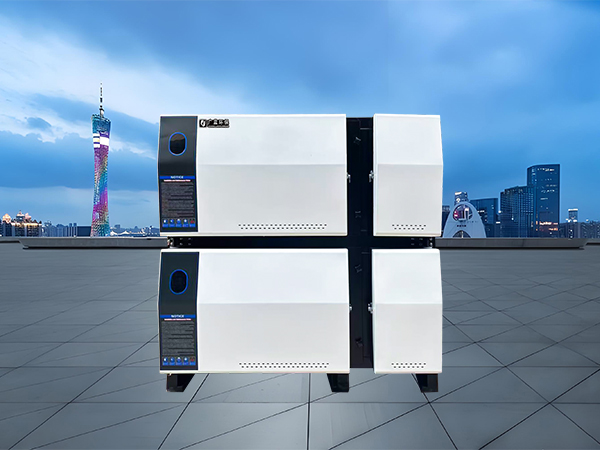
Guanglan CEC series UV photolysis 24000 air volume fume purifier
-
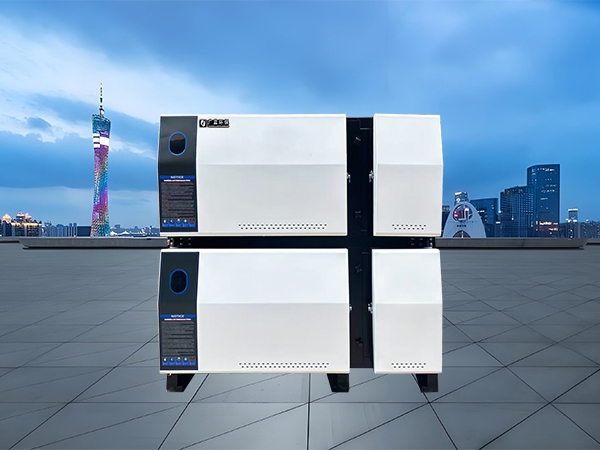
Guanglan CEC series UV photolysis 36000 air volume fume purifier
-
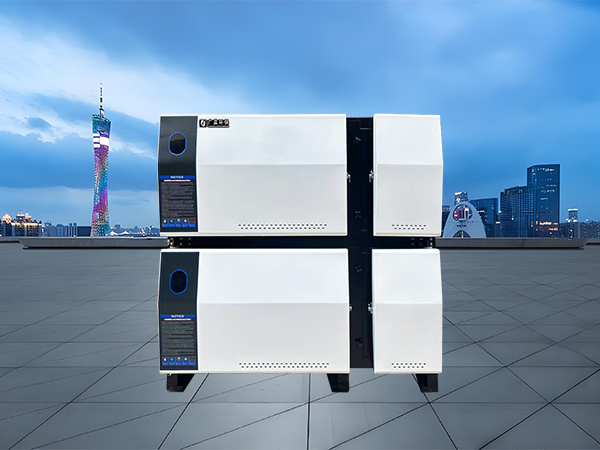
Guanglan CEC series UV photolysis 28000 air volume fume purifier
-
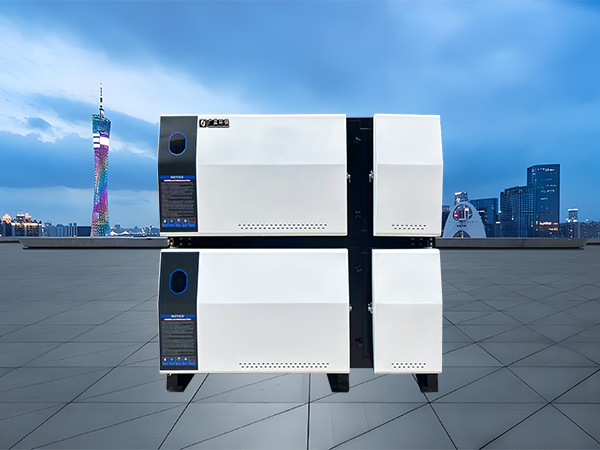
Guanglan CEC series UV photolysis 32000 air volume fume purifier
-
Guanglan CEC series UV photolysis 8000 air volume fume purifier
-
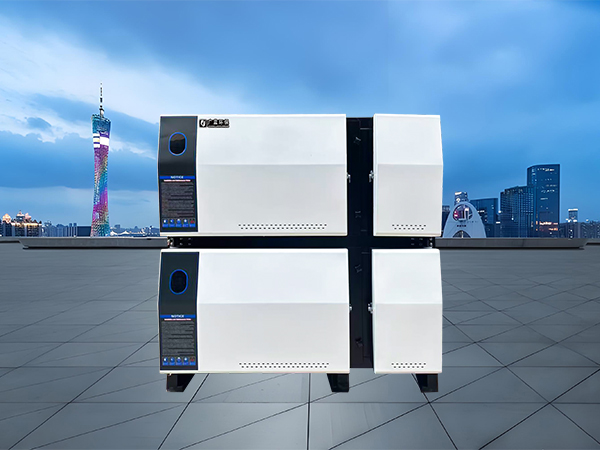
Guanglan CEC series UV photolysis 14000 air volume fume purifier

 HOME
HOME Product
 Case
Case Contact